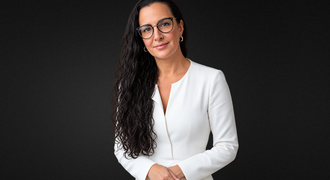
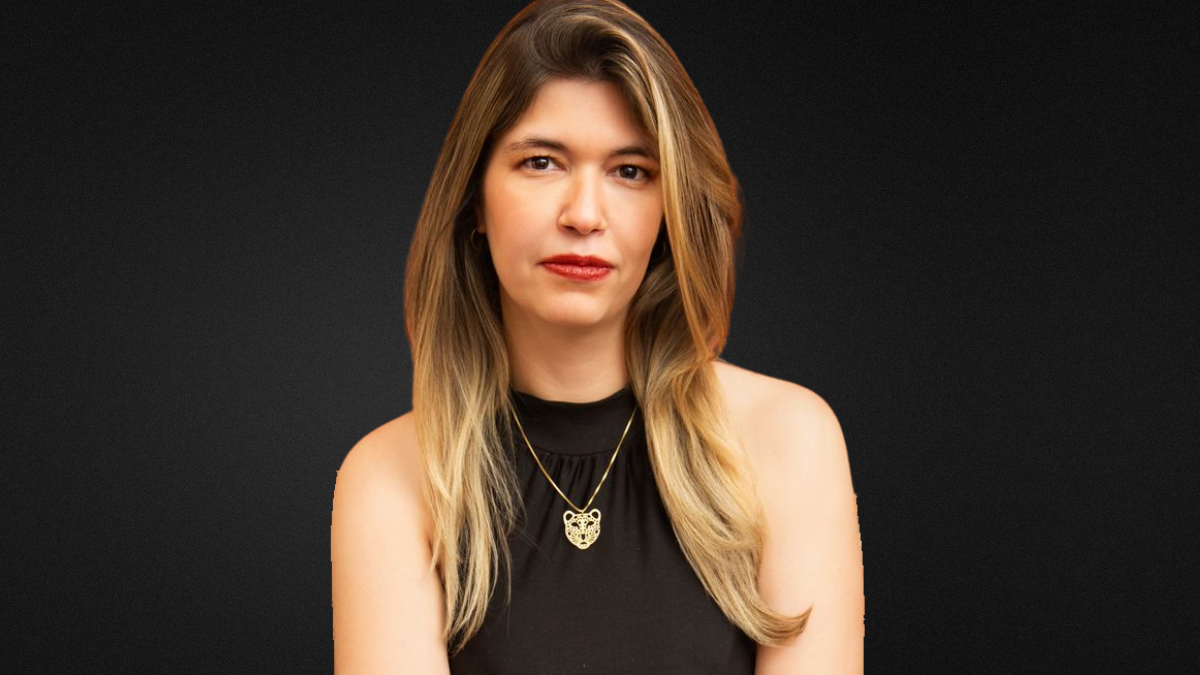
By Paula Approbato de Oliveira, PhD in Sciences and specialist in Neuropsychology from the University of São Paulo (USP)
What if our understanding of mental health, neurodiversity, and human development could transform not only the way we care for people, but also how we build schools, welcome travellers, organize institutions, lead teams, and create more inclusive societies?
This question synthesizes one of the directions that has been guiding my professional trajectory: expanding the dialogue between scientific knowledge about human functioning and the environments in which people live, learn, work, and interact.
Neuroscience and Neuropsychology offer fundamental insights into understanding brain and cognitive functions, behaviour, emotions, and developmental trajectories. Traditionally associated with research and clinical practice, these fields can also contribute to rethinking educational practices, workplace relationships, services, and institutional policies.
The challenge is not merely to understand how each individual functions within existing systems. It is also to investigate how these systems can respond more sensitively to the diversity of human functioning.
As a Brazilian psychologist and neuropsychologist with more than two decades of experience, I have built a career that connects clinical care, academic training, professional development, institutional work, and the creation of new perspectives on inclusion and mental health promotion. This journey has reinforced my conviction that scientific knowledge must go beyond the boundaries of specialized settings and reach the contexts where everyday decisions are made.
From understanding the individual to transforming environments
People with different cognitive and developmental profiles can encounter barriers that are not fully explained by their individual characteristics alone. Many difficulties stem from the interaction between a person’s needs and environments that lack flexibility in their expectations, communication methods, sensory conditions, or organizational practices.
Instead of focusing all our efforts on adapting individuals, we can examine how schools, corporations, hotels, customer service providers, and public and private institutions can better respond to human differences.
In Education, this means also taking into account emotional regulation, sensory needs, individual potential, and different ways of learning and teaching.
In the Corporate Environment, it means preparing leaders and teams to understand diversity, recognize needs without resorting to stereotypes, and establish workplace practices that are more conscious of mental health and human development.
This perspective does not eliminate the importance of specialized care. On the contrary, it proposes that the knowledge produced by qualified professionals can also guide the decisions and practices of the environments where life happens.
Inclusive hospitality: A new frontier for neurodiversity
One of the most exciting possibilities of this expanded view lies in hospitality and tourism.
Travelling, air travel, dining out, visiting parks, or taking tours are experiences frequently associated with freedom, discovery, connection, and well-being. For neurodivergent individuals and their families, however, these activities can also present challenges, such as sensory overload, unexpected changes in routine, communication barriers, and uncertainty about how their needs will be understood and accommodated.
A space can be physically accessible yet still present sensory, emotional, or communication challenges.
Inclusive hospitality requires trained staff, thoughtful communication, clear information, attention to environmental stimuli, and the flexibility to respond to diverse needs without compromising the dignity and autonomy of guests.
I have been developing academic work on this intersection of neurodiversity, human development, accessibility, and hospitality, including a book and journal articles currently in press. The objective is to help expand the conversation on how hotels, tourist destinations, and service providers can incorporate knowledge about human differences into team training and the design of the experiences they offer.
This is a field that brings together science, management, and consumer experience, demonstrating that welcoming people is not just about receiving someone into a space, but creating the conditions for them to participate in and enjoy the experience with safety, autonomy, and respect.
The human-animal bond: New possibilities for mMental health and inclusion
The relationship between humans and animals opens up new perspectives for promoting well-being and building more inclusive experiences. In clinical and institutional settings, animal-assisted interventions and the presence of emotional support animals have gained prominence in academic and policy discussions for their potential contributions to social interaction, emotional comfort, and coping with situations involving social anxiety—depending on individual needs and the specifics of each support type.
This discussion can also broaden the scope of inclusion in the hospitality and corporate sectors. Hotels, tourist destinations, and recreational spaces can reflect on how to accommodate different needs related to the presence of animals, taking into account individual characteristics, safety, and proper conditions for everyone involved.
Developing these practices requires an interdisciplinary dialogue. Psychology contributes to understanding human needs and planning interventions, while knowledge of animal behaviour, health, and welfare is essential for assessing the suitability of each initiative.
Innovation in this field must be accompanied by technical and ethical standards: clearly defined goals, individualized assessments, qualified professionals, and documented follow-up. Animal welfare must be prioritized from the planning stage, respecting the animal’s limits, needs, and the conditions of its involvement.
Expanding these possibilities means exploring new forms of care and inclusion without assuming universal benefits. It is about combining scientific knowledge, professional responsibility, and respect for both people and animals.
Science, training, and sSocial commitment in a new reality
We live in a generation where access to information has become faster and more widespread. Artificial intelligence and digital platforms offer new possibilities for learning, scientific outreach, and access to knowledge once restricted to specific spaces. However, the availability of information does not guarantee its quality, nor is a convincingly presented answer necessarily scientifically accurate.
For this reason, I consider it essential to expand the dissemination of evidence-based information, translating scientific knowledge into accessible language without losing rigor. This means explaining limitations, acknowledging uncertainties, distinguishing evidence from opinion, and guiding the public on when specialized assessment or care is necessary.
Technology can help democratize knowledge, but it must be used with critical thinking and responsibility. The role of professionals is not only to produce specialized knowledge, but also to help society interpret and apply it appropriately.
My professional work combines complementary fronts in response to this new approach to our reality. In academia, I teach courses focused on neurodiversity, mental health, and the intersections between Psychology, Law, and Justice, contributing to the education of professionals who work directly with the complexities of human development.
In clinical practice, I work with children, adolescents, and adults, focusing on neurodiversity, mental health, psychological support in family psycho-legal contexts, and demands related to educational and corporate inclusion. This work allows me to integrate different perspectives on human development, considering how cognitive, emotional, family, educational, and social factors interact and shape each individual’s experience.
I also deliver lectures and training sessions for companies and institutions, bridging scientific knowledge and the real-world challenges faced by managers, educators, and teams. The goal is to transform concepts into practical resources that guide decision-making, communication, welcoming, and professional practices.
Social commitment is also reflected in connecting scientific knowledge, professional training, and community-based initiatives. In addition to supporting organizations such as Minha Down é Up, I participate in training and awareness initiatives aimed at broadening the understanding of neurodiversity and mental health. For instance, on October 8, 2026, I led a training session for managers in the Municipal Education Network in Guarulhos, linked to the School Health Program (Programa Saúde na Escola).
These experiences stem from a shared understanding: the production of knowledge only reaches its transformative potential when it finds ways to reach the people and services that need it.
The future requires an integrated view of human development
The complexity of contemporary challenges demands that mental health, education, management, and inclusion no longer be treated as completely isolated or elitist fields.
Understanding human functioning can help refine educational practices, guide team development, rethink a guest’s experience, or elevate a service. Each context has its own specifics, but all involve people, diverse needs, and decisions that shape their opportunities for participation and growth.
Bringing neuroscience and neuropsychology beyond the clinic does not mean turning every space into a clinical environment. It means recognizing that scientific knowledge about people can help make these spaces more welcoming, efficient, and inclusive.
@paulaapprobato.psico
www.paulaapprobato.com.br
https://paulaapprobatopet.com/
+55 11 969301219